How CCO builds on Basic Formal Ontology
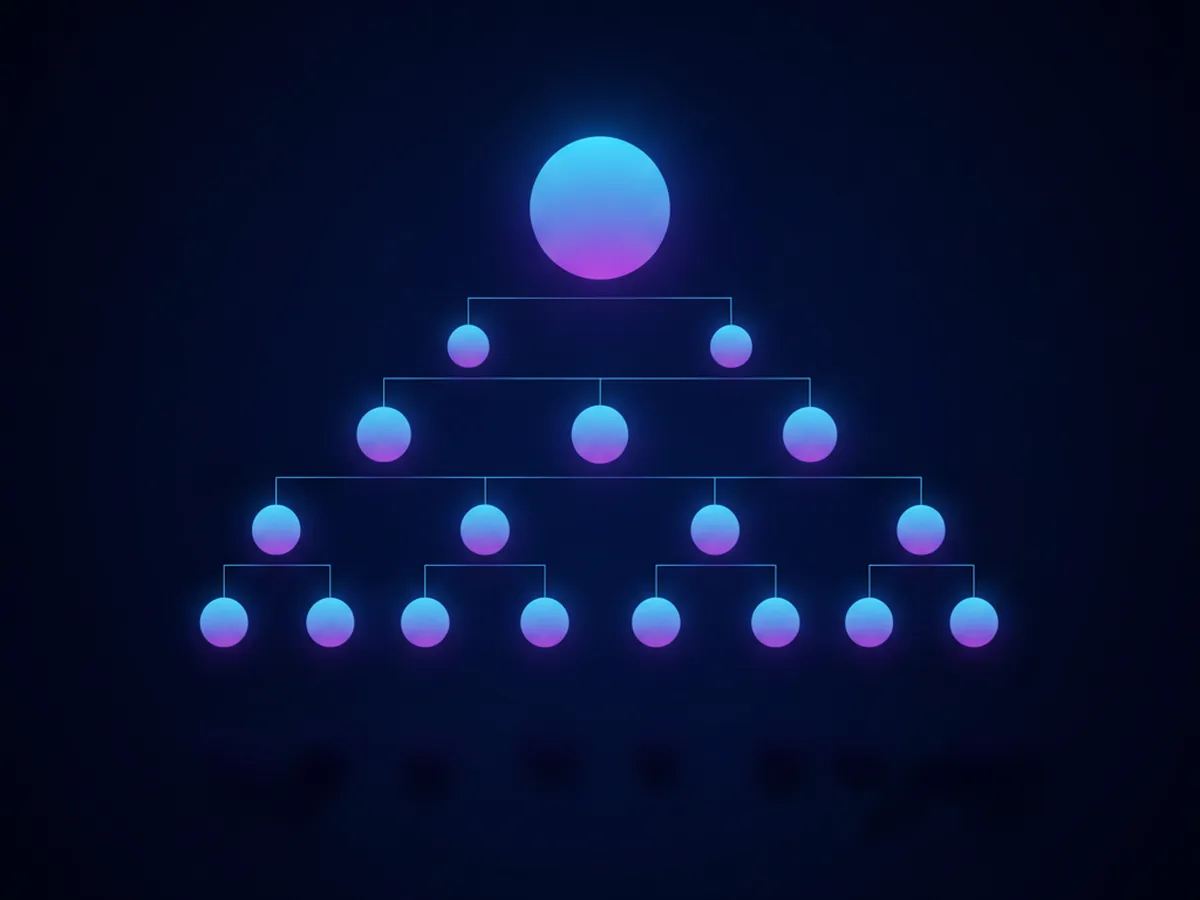
One of the reasons the Common Core Ontologies stay coherent is that they do not define their most general categories themselves. They inherit them from Basic Formal Ontology, an ISO/IEC 21838 top-level standard that draws careful distinctions between the kinds of thing there are.
Continuants and occurrents
BFO first separates entities that persist through time, called continuants, from those that unfold in time, called occurrents. A bolt is a continuant, the act of fastening it is an occurrent. CCO keeps this line: its Artifact class is a continuant while its Act class is an occurrent.
Specialising the categories
Under each BFO category, CCO adds the mid-level terms a working analyst needs. Under the information branch it adds descriptions, directives and designators. Under quality it adds force, pressure and temperature. Each specialised class points back to the BFO category it refines.
Reading a term page
Every term page in the repository shows its parent, so you can walk up the chain from a specific class all the way to its BFO root, and back down to the subtypes that specialise it further.